Mad literature and the humane clinic: How my thirst for knowledge and a hearing voices group aided in my recovery
I can trace my mood symptoms back to when I was 15. I progressively became more and more depressed and was prescribed antidepressants to alleviate the symptoms. Mood episodes continued to come and go but it wasn’t until I was 22 that I began to experience psychotic symptoms. They started off small with perceptual disturbances. My symptoms included shadow figures occupying my peripheral and surfaces like the floor began to breathe. By the time I was 24, the symptoms had grown. My psychosis took on religious aspects, despite being atheistic myself. Now it was the virgin Mary who was talking to me in my bedroom at night, whispering messages to me about how the apocalypse was coming.
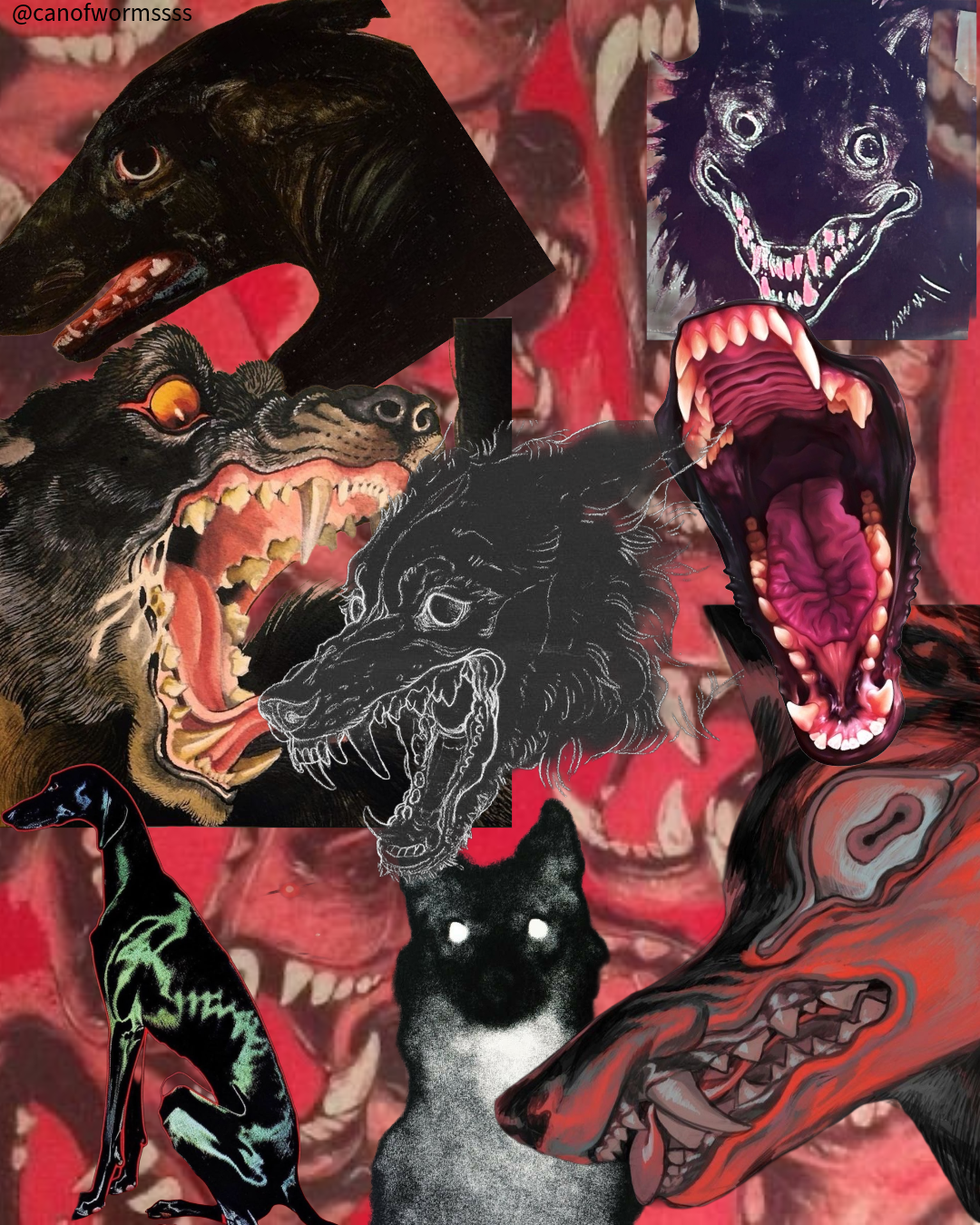
Every black dog I saw was a sign directly from God that the end was near, and I was obsessed with the Christian idea of perdition: (in Christian theology) a state of eternal punishment and damnation into which a sinful and unrepentant person passes after death. These symptoms manifested themselves to the point that I stopped eating for three weeks in the belief that it was ordered by God.
I was desperate for answers as to what was wrong with me and I found those answers in traditional psychiatry, I was eventually officially diagnosed with schizoaffective bipolar type but there have been other diagnoses as well.
I was variously described as having Borderline personality disorder, bipolar disorder, major depressive disorder, obsessive compulsive disorder to name a few. I was put on many different psychiatric pills in an attempt to manage my symptoms, and eventually landed on a combination of seven. Two antidepressants, a mood stabiliser, three antipsychotics and a beta blocker.
But despite having access to this psychopharmacology and access to an extensive team of mental health clinicians, psychiatrists, GP’s, social workers and occupational therapists, I continued having these psychotic symptoms and I was still having mood episodes. It was like finding the leak in the dinghy, I could see why the water was getting in but the dinghy was still sinking.
It was then in my desperation for healing that my wonderful psychologist, Kelsi, put me in touch with Matt Ball at the Humane Clinic. They had an online form to submit enquiries - I tentatively put one in: ”Hi, My name is Hannah.
I’m interested in your hearing voices group but I don’t hear voices that often, I mainly see things that aren’t there. Would I still be allowed to come?” I left my phone number and sure enough Matt Ball gave me a phone call the following day. I was welcomed with open arms.
The Humane clinic is located in Christies Beach, in a building that was originally purposed for scout activities. It has two large main rooms with several smaller breakout rooms. The floor is wooden except in the foyer in which it is carpet. There are plants everywhere, bookshelves filled with what traditional psychiatrists would consider alternative literature. It’s in one of the larger rooms that the weekly alternate realities/hearing voices group occurs.
Every week on Wednesday for the greater part of nearly three years, I have been going to this group. I have become familiar with most if not all the members. It is extremely informal in nature, the groups being more of a get together and a chance to socialise. Mostly, the conversation falls on medications and side effects. Many of the members deal with unwanted side effects - everything from akathisia, weight gain, sedation, tremor, and muscle stiffness just to name a few.
Every week on Wednesday for the greater part of nearly three years, I have been going to this group. I have become familiar with most if not all the members. It is extremely informal in nature, the groups being more of a get together and a chance to socialise.
Mostly, the conversation falls on medications and side effects. Many of the members deal with unwanted side effects - everything from akathisia, weight gain, sedation, tremor, and muscle stiffness just to name a few.
All of which I have experienced whilst being on psychiatric medication. Matt, a nurse practitioner, has been a wealth of knowledge and he and Berny, the main facilitators, create a nonjudgmental and open space for members to be themselves, to talk about their altered states in a non clinical setting without the fear of an involuntary hospital admission.
I always walk out of these sessions with a feeling of empowerment, a feeling that I don’t get with my other mental health related appointments.
Personally, it’s given me the space to grow as a person beyond my diagnosis, which has been an important step in my recovery. Mad studies has changed how I understand my distress, myself, and the systems that have shaped my life. Instead of viewing my symptoms and experiences through a clinical lens that framed them as defects or disorders to be corrected, mad studies offered a critical framework that situates madness within broader historical, political and social contexts. This shift has allowed me to recognise how psychiatric power, institutional practices and cultural norms have often silenced my experiences, contributing to shame and self stigma.
By focusing on lived experience as a legitimate form of knowledge, mad studies helped me reclaim authority over my own narrative. It also introduced me to collective histories of resistance, survival and creativity among mad people, which disrupted the isolation I felt and replaced it with a sense of belonging and solidarity. Recovery, through this lens, became less about returning to “normal” and more about negotiating a life that honours my needs, boundaries and values. Mad studies and the Humane clinic encouraged me to prioritise autonomy, consent and dignity, and to understand healing as an ongoing, relational process shaped by justice, access and community rather than solely by symptom reduction.
This notion has been life changing for me, and I now use my instagram account - @canofwormssss - to advocate for these notions in the hope that others may feel more connected, and think more critically towards traditional psychiatry.
I was lucky enough to have the means and the therapeutic space to chase this knowledge. I am eternally grateful to the facilitators that gave me the space to change and grow. Matt, Berny, Kelsi and even my parents who watched me with unconditional love and if not a bit of exasperation when my already large book collection continued to grow and grow. I may have a problem with buying books, but if it facilitates my recovery then I’m willing to turn a blind eye, or maybe I will get a library card.
I am still on seven psychiatric drugs, however I am in the process of weaning off some of them, discovering what is actually helpful versus what I have been put on without rhyme or reason.” My experience, as I have said before, has allowed me to view my condition as part of my life and not necessarily something to be 'fixed'. My journey with mental health continues, now with the help of the mad and the humane clinic.
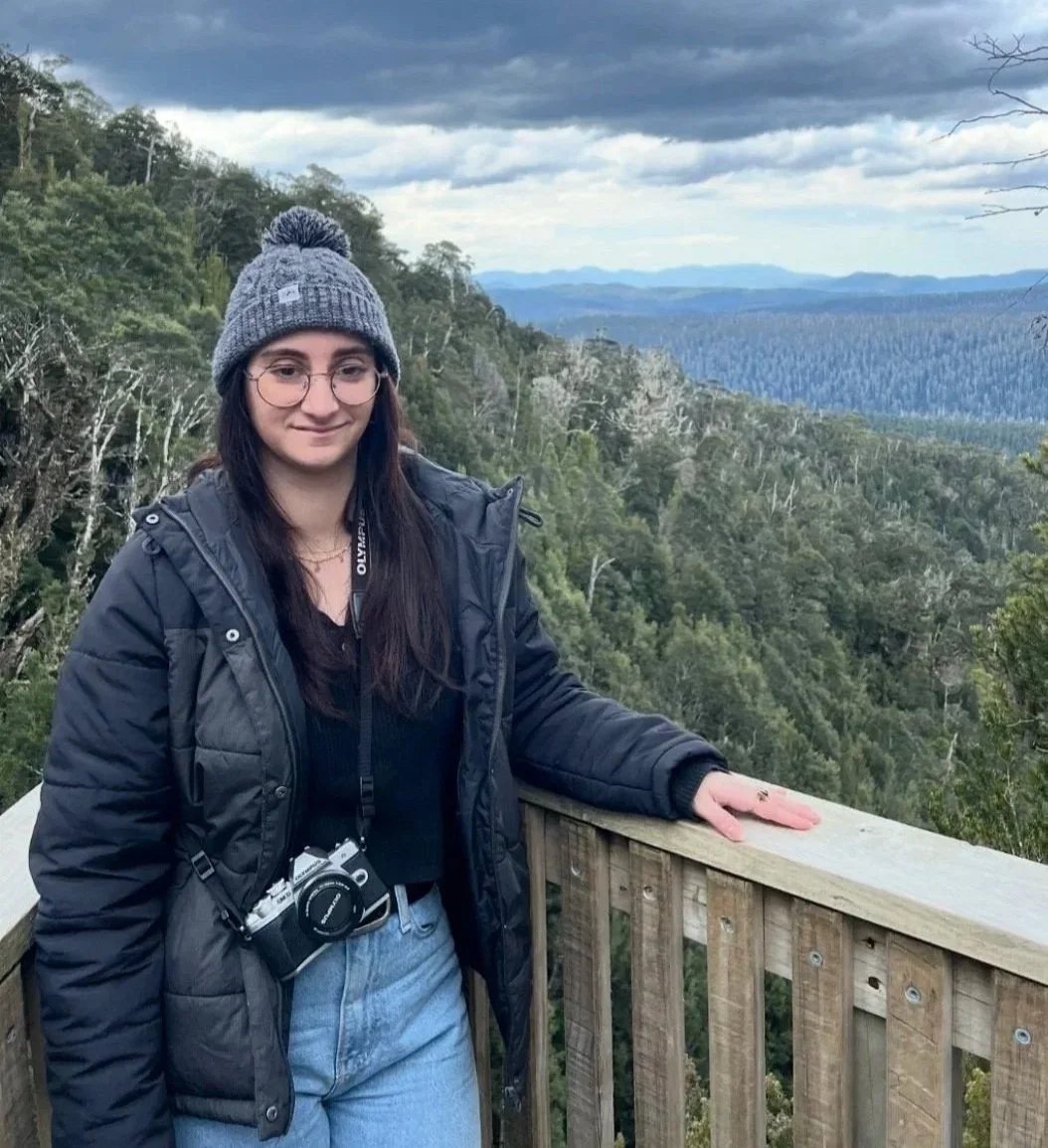
Written by: Hannah Ranger